
Beginners can start by practicing a few verses daily, listening to skilled qaris, and using a Quran with tajweed marks. Seeking guidance from a qualified teacher helps correct mistakes and ensures proper application of rules like makharij, madd, and idghaam.

×

A Guide to Tajweed Rules
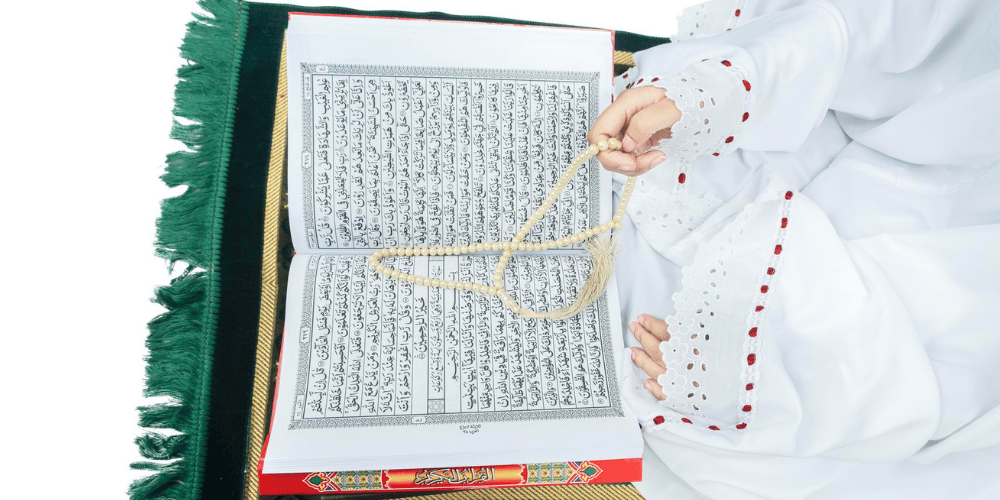
Learn Quran Recitation: A Guide to Tajweed Rules
Reciting the Quran is more than reading words; it is an act of worship that connects the heart to Allah. Proper recitation brings understanding, reflection, and reward, and following the rules of tajweed ensures every letter is pronounced correctly.
The Prophet ﷺ emphasized the importance of reciting the Quran beautifully, saying:
"The best among you (Muslims) are those who learn the Qur'an and teach it."
- Sahih al-Bukhari 5027
What Is Tajweed?
Tajweed literally means “to make something excellent or improve it.” In the context of Quran recitation, it refers to the set of rules that govern the pronunciation of letters and words to ensure the Quran is recited as it was revealed.
The Quran itself emphasizes careful recitation:
“Or add to it, and recite the Qur’an with measured recitation.”
- Qur’an 73:4
Tajweed is not just about correct pronunciation; it preserves the meanings of the Quran and prevents misinterpretation. Every pause, elongation, and articulation has a purpose, and applying tajweed honors the text Allah revealed.
If you feel any difficulty or need proper instruction, Qari for kids offers multiple tajweed and Quran learning courses to help you recite and learn the Quran with ease.
Why Learning Quran Recitation Matters
Correct recitation is an act of devotion. A believer who recites with tajweed fulfills the words of Allah while earning reward:
“So when the Qur’an is recited, then listen to it and pay attention that you may receive mercy.”
- Qur’an 7:204
Learning to recite the Quran is not limited to scholars; every Muslim can begin, regardless of age. Even small daily practice, when done with focus, purifies the heart, strengthens faith, and improves connection with Allah.
Moreover, reciting with proper tajweed ensures that the Quran reaches its full impact spiritually, emotionally, and linguistically.
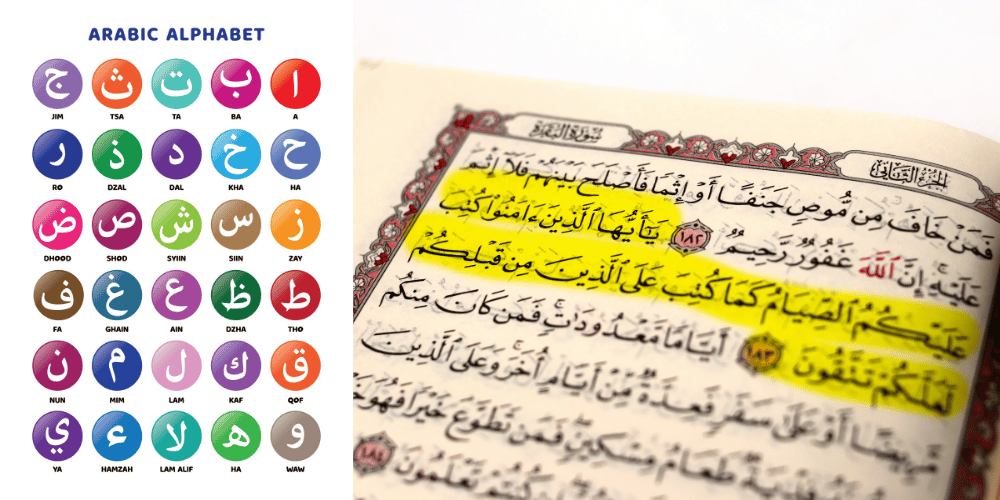
Basic Tajweed Rules Every Learner Should Know
Quran recitation correctly preserves its meaning and beauty. Each rule of tajweed guides the reader to pronounce letters properly and respectfully.
1. Makharij (Articulation Points)
Every Arabic letter originates from a specific part of the mouth or throat. For example, ق (Qaf) comes from the deepest part of the throat, while ت (Ta) comes from the tip of the tongue. Pronouncing قلب (qalb – heart) correctly avoids confusion with كلب (kalb – dog).
2. Sifaat (Letter Qualities)
Letters have natural characteristics, such as heaviness, softness, or nasal sound. For example, ص (Saad) has a heavy sound, while س (Seen) is light. Applying the correct quality ensures the words sound as revealed.
3. Madd (Elongation)
Certain letters require extension for a specific number of counts. In قَالَ (qaala), the alif extends two counts to maintain meaning. Similarly, رَحِيم (Raheem) stretches the yaa slightly to follow proper tajweed.
4. Noon Saakinah and Tanween
The noon with sukūn or tanween changes depending on the next letter. For example, مَن يَعْمَلْ (man ya’mal) uses merging (idghaam) for smooth pronunciation. In مِنْهُ (minhu), the noon is pronounced clearly (izhar).
5. Meem Saakinah
Meem with sukūn also follows specific rules. In مِّنْهُم (minhum), the meem merges lightly with the next meem (idghaam shafawi). In مُسْلِم (muslim), the meem remains clear. Correct pronunciation keeps the meaning intact.
6. Waqf and Wasl (Stopping and Joining)
Pauses and joins maintain clarity. Stopping at the correct point helps the listener understand the verse. For example, pausing at وَاذْكُرُوا اللَّهَ فِي أَيَّامٍ مَعْدُودَاتٍ preserves its intent, while joining incorrectly can confuse the meaning.
By following these rules, learners gain confidence in recitation. Listening to a skilled qari and learning under a teacher helps every student recite the Quran accurately, beautifully, and with respect.
Practical Tips for Learning Quran Recitation
- Start small, practice daily. Begin with a few verses and gradually increase. Consistency is more important than speed.
- Listen to experienced qaris: Following skilled reciters helps internalize tajweed rules and correct rhythm.
- Seek guidance from a teacher: A qualified teacher can correct mistakes, provide feedback, and guide progression.
- Focus on understanding: Recitation is most meaningful when accompanied by comprehension, reflection, and intention.
- Use a Quran with tajweed marks: Colored letters and symbols help identify elongation, pauses, and pronunciation.
Even adults who have never formally learned tajweed can improve through regular practice, making learning Quran recitation accessible for everyone.
Common Misconceptions About Tajweed
Some believe tajweed is only for scholars or children. In reality, every Muslim is encouraged to recite correctly, regardless of age. Others think tajweed is only about speed or rhythm; it is about accuracy and preserving meaning. Following authentic methods ensures your recitation is correct, rewarding, and spiritually enriching.
Benefits of Learning Tajweed
Learning tajweed improves concentration, preserves the sacred text, and increases reward for every verse recited. Reciting the Quran correctly elevates the spiritual experience, making prayer, reflection, and daily remembrance more impactful.
The Prophet (ﷺ) said,
"Such a person as recites the Qur'an and masters it by heart, will be with the noble righteous scribes (in Heaven). And such a person exerts himself to learn the Qur'an by heart, and recites it with great difficulty, will have a double reward."
- Sahih al-Bukhari 4937
Wrapping it Up
Learning Quran recitation is a lifelong journey. By understanding the meaning of tajweed, practicing daily, and seeking guidance from qualified teachers or reliable qaris, every Muslim can recite the Quran beautifully and correctly. Starting with small, consistent steps transforms recitation into a source of spiritual growth, reflection, and immense reward.
Whether young or adult, beginner or advanced, mastering tajweed connects your heart to the Quran and strengthens your bond with Allah.
Frequently asked questions
-
How can beginners learn Quran recitation with tajweed?
-
Why is learning Quran recitation with tajweed important?Learning Quran recitation with tajweed is important because it preserves the meaning of the Quran, prevents mispronunciation, and increases spiritual reward. Proper recitation also deepens understanding, reflection, and connection with Allah.
-
What are the basic tajweed rules every learner should know?Key tajweed rules include: Makharij (articulation points) where each letter originates in the mouth or throat; Sifaat (letter qualities) such as light, heavy, or nasal sounds; Madd (elongation) extending letters correctly; Noon Saakinah and Tanween rules; Meem Saakinah rules; and Waqf and Wasl which guide proper stopping and joining of verses.
-
Can adults learn Quran recitation and tajweed from scratch?Yes, adults can learn Quran recitation at any age. Consistent daily practice, listening to skilled reciters, using a Quran with tajweed marks, and guidance from teachers make learning accessible, effective, and spiritually rewarding.
